
FETC International Deploys India's First Multi-Lane Free Flow Tolling System
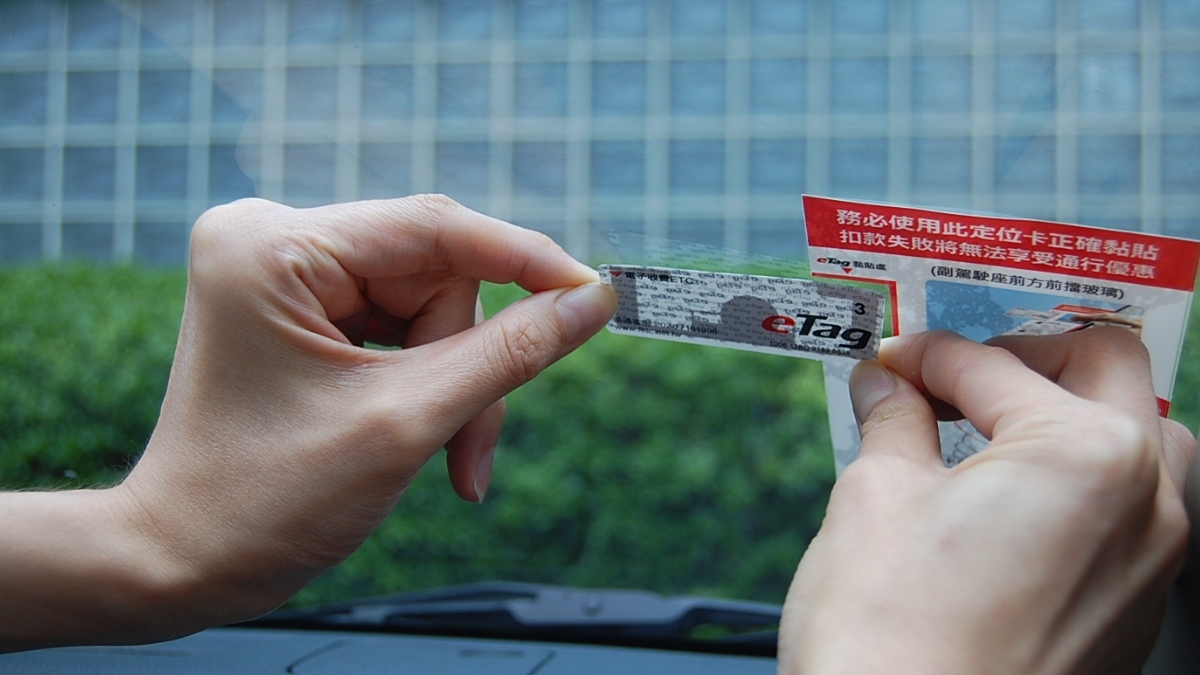
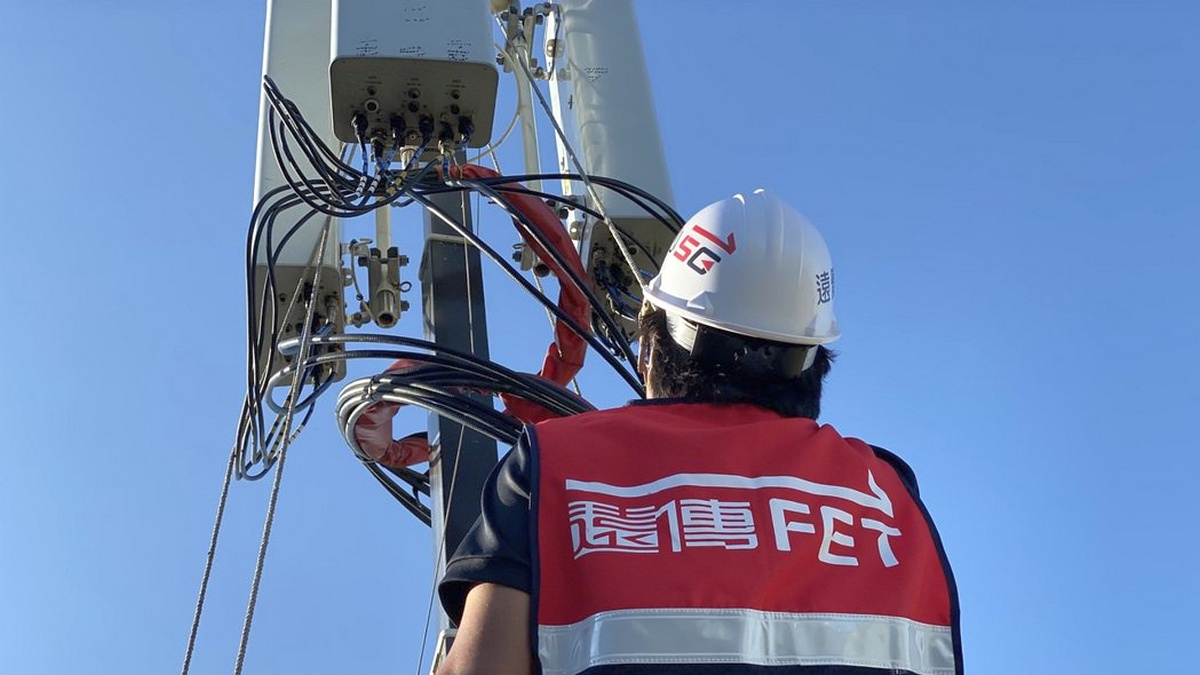
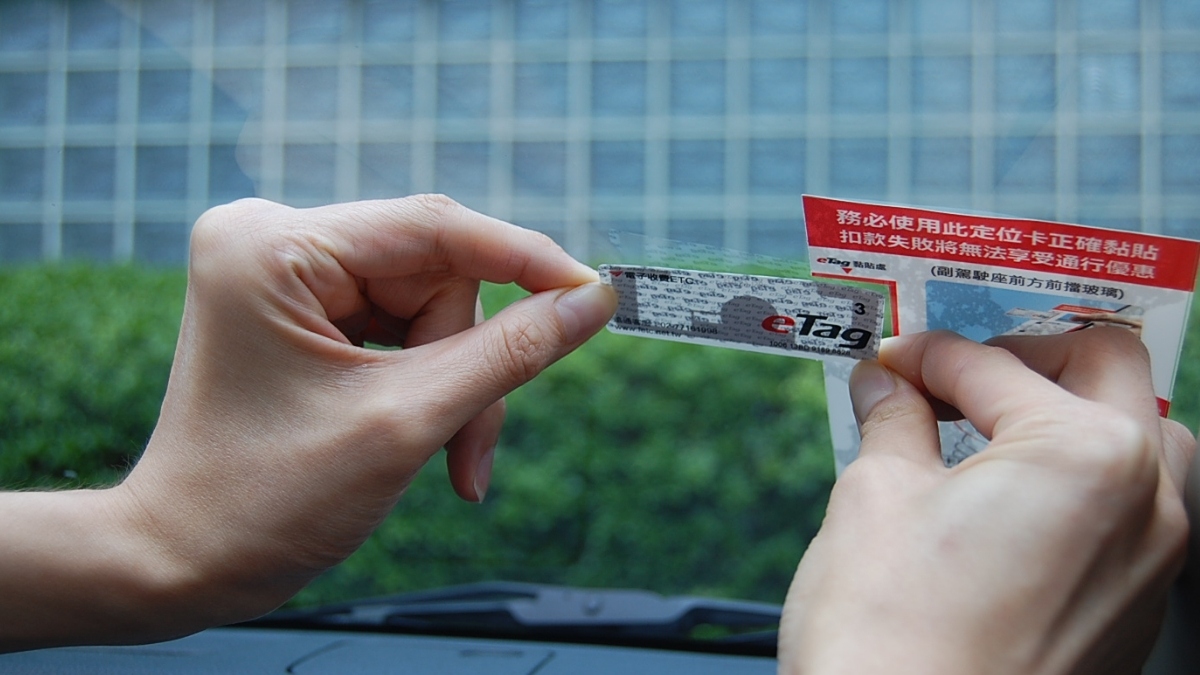
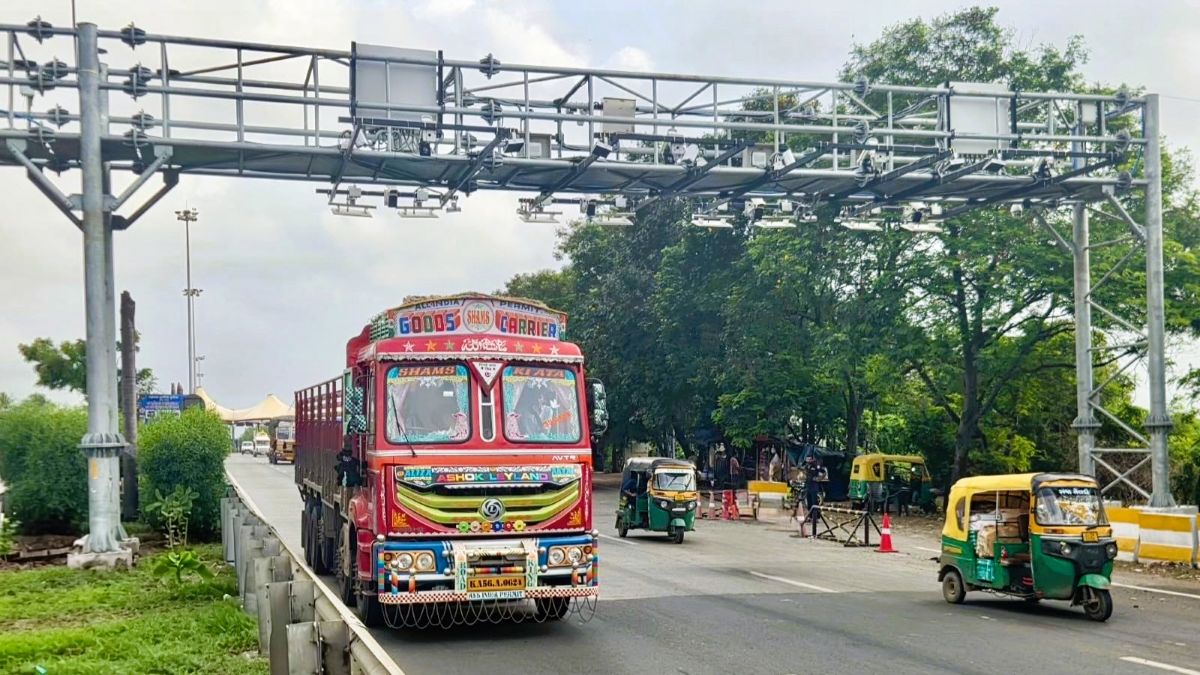
In a major international breakthrough for Taiwan’s intelligent transportation industry, Far Eastern Electronic Toll Collection Co., Ltd. (FETC) announced today (July 29) that the first "Multi-Lane Free Flow" (MLFF) electronic toll collection system in India, engineered by "Team Taiwan ETC," has officially opened for operation. The flagship toll gantry is located in Choryasi, Surat City, within Gujarat—the home state of Indian Prime Minister Narendra Modi. A second gantry in Gharaunda, Haryana, also successfully went live in June 2026, marking another landmark overseas deployment for Taiwan’s ETC technology following its success in Thailand. (Photo Credit: FETC)
Public-Private Synergy Accelerates Digital Transformation on India’s Highways
Wu Chung-Chieh, Vice President of FETC, emphasized that this milestone not only highlights Taiwan's smart transportation capabilities but also benefits from policy guidance and international promotion by Taiwan's Public Construction Commission and the Bureau of High Speedways. This collaboration created a successful public-private partnership model for technology export. As the Indian government plans to convert 10% (approximately 140 stations) of its 1,400 traditional toll plazas to MLFF ETC systems within a year, Team Taiwan will actively participate in bringing Taiwan’s digital highway transformation experience to the global stage.
Securing a Historic First in the World’s Second-Largest Road Network
India’s national highway network spans over 45,000 kilometers—the second largest globally and roughly 48 times the scale of Taiwan's network. The Indian government expects to deploy over 1,000 electronic tolling zones, accelerating its digital infrastructure upgrade starting in 2026.
India’s first MLFF tolling gantries were built by FETC and its subsidiary, FETC International (FETCi), in partnership with the Institute for Information Industry (III) and Taiwanese technology vendors including Moxa, AAEON, VIVOTEK, Machvision, Eagle Vision Technology, and Fortune Information. From design and system integration to official operations, the project showcases the power of Taiwan’s ICT sector and smart transportation integration.
India began adopting the RFID-based FASTag system nearly a decade ago. However, prior to transitioning to free-flow tolling, vehicles still had to enter physical toll plazas with physical barriers, frequently causing congestion due to transaction delays or manual errors. Taiwan fully implemented barrierless MLFF electronic tolling in 2013, allowing vehicles to complete toll deductions at highway speeds. Leveraging this experience, FETCi passed Proof of Concept (POC) testing in Gharaunda in 2020 and officially secured the deployment contract in 2025.
According to official statistics in India, over 41,500 vehicles passed seamlessly under the Surat gantry at full speed on its first day of operation in May, drastically eliminating traditional toll plaza bottlenecks. Following the launch of the second gantry in Gharaunda in June, highway commuters are now experiencing true barrierless travel. Santosh Kumar Yadav, Chairman of the National Highways Authority of India (NHAI), publicly stated that introducing the MLFF system represents a vital milestone in modernizing India's highway infrastructure, creating a more efficient, transparent, and user-friendly tolling ecosystem.
克服複雜車種與極端氣候 台灣技術展現高度適應力
吳忠潔表示,印度交通環境與台灣差異甚大,建置過程中須克服車種複雜與極端氣候兩大挑戰。相較台灣國道車種較單純,印度道路車種從4輪小車到20多輪大型貨車皆有,且部分車種如兩輪嘟嘟車等屬免收費對象。因此,門架系統必須結合高速車牌辨識(ANPR)、AI車軸與車型辨識,與雷射雷達(LiDAR)感測器,在高速車流中即時辨識多種車型並篩除免收費車輛。
Overcoming Complex Traffic Mixes and Extreme Climate Conditions
Traffic conditions in India present unique challenges compared to Taiwan, requiring the team to overcome complex vehicle variations and harsh outdoor climates. While Taiwanese highways feature standardized vehicle classes, Indian roads accommodate everything from four-wheeled passenger cars to heavy 20-plus-wheel commercial trucks, alongside toll-exempt vehicles such as two-wheeled auto-rickshaws.
To address this, the gantry system integrates High-Speed Automatic Number Plate Recognition (ANPR), AI-driven axle and vehicle classification models, and LiDAR sensors to accurately classify vehicles and filter out toll-exempt transport in real-time high-speed traffic.
Furthermore, extreme summer temperatures in India pose a severe stability test for outdoor electronics. FETCi engineered custom thermal management, heat dissipation, and weather-resistant designs for the gantry equipment, ensuring continuous operational stability under extreme conditions and showcasing the adaptability of Taiwan’s smart transportation solutions in challenging overseas environments.
Business and Company
News Type
UN SDG




Share
Source
Far Eastern Electronic Toll Collection