
FEG Achieves 2024 Renewable Energy Usage Surpasses 320 Million kWh, Leading the Industry Towards Net-Zero
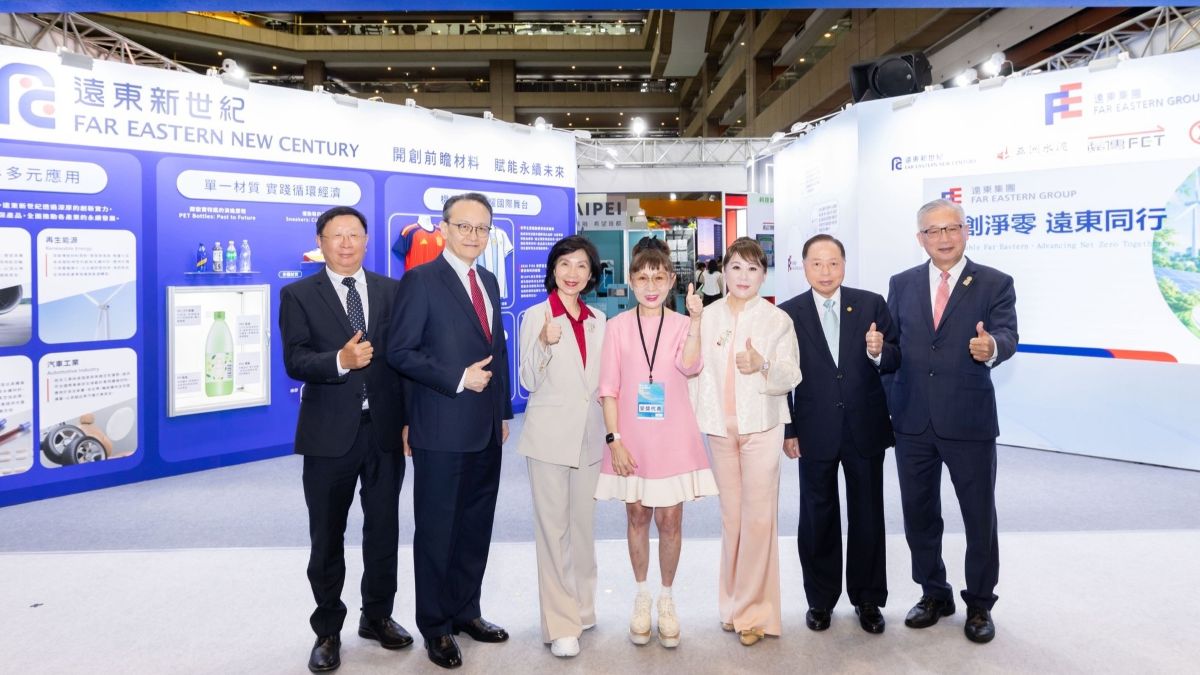
Amidst the formidable challenges of global climate change and the pursuit of Net-Zero emissions, Far Eastern Group (FEG) has demonstrated exceptional execution and tangible results in sustainable development and energy transition.
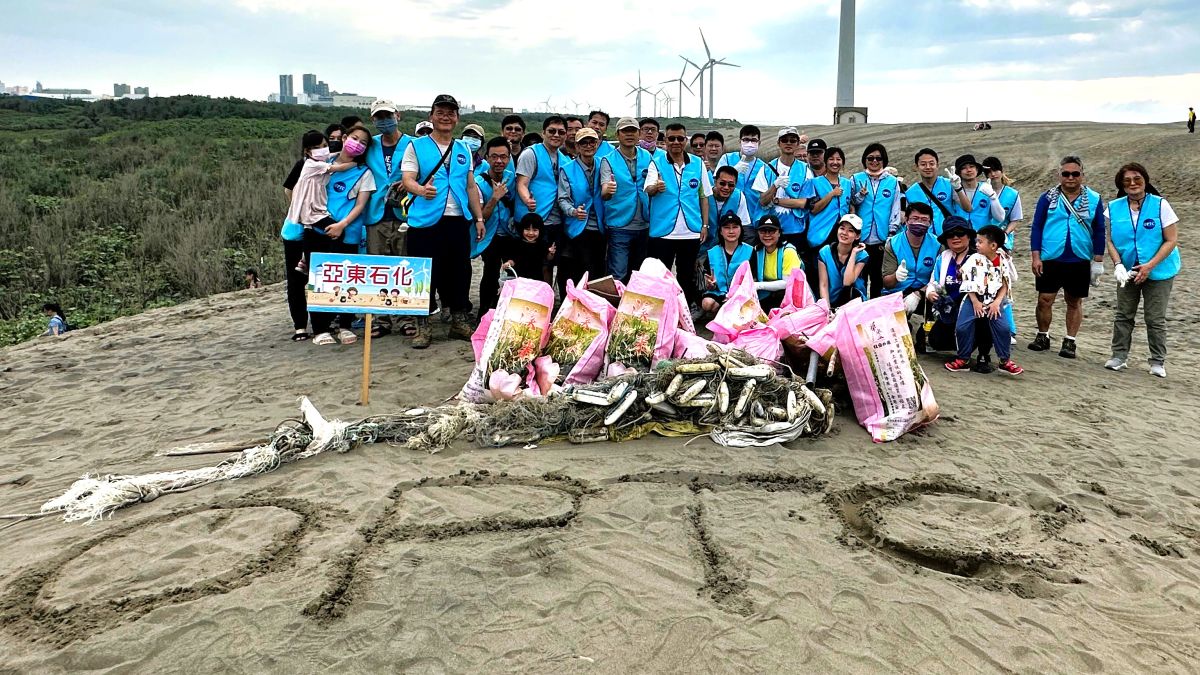
According to the 2024 Sustainability Reports from its subsidiaries, the Group’s major affiliated enterprises consumed nearly 320 million kWh of renewable energy in 2024. This achievement spans petrochemicals, polyester materials, telecommunications, cement, retail, finance, and education, highlighting FEG’s comprehensive integration of ESG principles and its determination to lead industries toward a low-carbon future.
Manufacturing Leadership: Far Eastern New Century Ranks First in Green Power Usage
- Among the Group’s business units, Far Eastern New Century (FENC) delivered the most prominent performance, with clean energy consumption exceeding 200 million kWh in 2024, accounting for the largest share of the Group’s total. By the end of 2024, FENC had established self-built solar power facilities across 12 production sites in Taiwan, mainland China, and Vietnam, generating over 24 million kWh. Furthermore, FENC intensified its procurement of renewable energy, purchasing 200 million kWh, underscoring its momentum as a global leader in green materials.
- Everest Textiles also utilized over 62 million kWh of renewable energy in 2024 through self-installed solar plants and biomass fuels. Moving forward, Everest Textiles plans to phase out legacy equipment and adopt energy-efficient machinery, eventually utilizing Green Electricity Certificates or carbon credits to meet Net-Zero standards.
- Meanwhile, Oriental Union Chemical Corp (OUCC) actively responded to green energy policies by purchasing 7.7 million kWh of solar power, representing approximately 1.8% of its total electricity consumption.
- Asia Cement Corporation (ACC) has strategically integrated resources across the Taiwan Strait to expand green energy applications. In Taiwan, ACC combined resources from its Hualien Plant, headquarters, and Yuan Long Stainless Steel to consume approximately 4.62 million kWh of clean energy through self-generation and power wheeling models. To accelerate the transition to a low-carbon power structure, ACC has set medium-to-long-term targets to increase self-owned green power output annually. Concurrently, Asia Cement (China) generated over 1.55 million kWh of solar power and is actively developing wind power projects.
Service Sector Commitment: Diversified Channels for Green Power
FEG’s service businesses have kept pace through self-built generation, power purchase agreements (PPAs), and Renewable Energy Certificates (RECs).
- Far EasTone Telecommunications (FET): Consumed over 17 million kWh of renewable energy in 2024. FET aims to power all offices, retail stores, and major data centers with renewable energy by 2030, reaching 100% company-wide by 2040.
- Far Eastern International Bank (FEIB): Expanded its green energy footprint to 600,000 kWh in 2024. This was achieved through self-built solar systems at its Taoyuan building and power wheeling for its Taoyuan branch and headquarters, showcasing operational resilience in green finance.
- Far Eastern SOGO’s Tianmu and Hsinchu branches generated 530,000 kWh of solar power. Notably, FE SOGO’s Fuxing Store introduced "Green Power 2.0" (multi-user under a single meter) for Chanel, assisting the international brand in its RE100 goals.
- Far Eastern Department Stores (FEDS) achieved 98,000 kWh of clean energy usage and implemented 28 energy-saving projects, saving over 3 million kWh in total.
- Yuan Ze University converted its campus spaces into energy-generating hubs, producing approximately 1.34 million kWh of solar power in 2024.
Pragmatic Decarbonization and Low-Carbon Fuel Transition
Beyond direct renewable energy, other Group companies adopted pragmatic strategies tailored to their industries:
- U-Ming Marine Transport: U-Ming is actively adopting Liquefied Natural Gas (LNG) as a transitional low-carbon fuel to steadily advance the fleet's low-carbon transformation.
- Big City Shopping Center: Focused on energy efficiency and system optimization, Big City effectively reduced operational power loads by installing frequency converters in Air Handling Units (AHU) and updating to EC fans.
Future Outlook: Deepening Energy Transition for a Sustainable Society
Reflecting on the robust data of 2024, Far Eastern Group has successfully constructed a comprehensive energy transition roadmap centered on four pillars: Expanding self-built solar capacity, Increasing procurement of green power and certificates, Driving low-carbon fuel transitions, and Optimizing end-user equipment efficiency. Looking ahead, FEG will continue to scale up its investments in renewable energy, collaborating with affiliates and supply chain partners to contribute to environmental protection and stride toward the ultimate goal of global Net-Zero emissions by 2050.
Business and Company
News Type
UN SDG
Share
Download
Source
FEG